
CBD Oil for Pain — ChillBD
CBD Oil for Pain: Pain is a universal human experience, and finding safe, effective, and natural ways to manage it is a priority for millions. CBD oil for pain has become a widely discussed option because it offers a non-intoxicating, plant-based approach that many people find helpful alongside conventional therapies. At ChillBD, we focus on clear, evidence-informed guidance so you can understand how CBD oil for pain works, which products to choose, how to use them safely, and what to expect from short- and long-term use. This guide walks you through the science, practical advice, and product considerations so you can make confident decisions about using CBD oil for pain relief.
Understanding Pain and Why a New Approach Matters
Pain is a complex biological and psychological signal. Acute pain warns us about injury; chronic pain can persist long after tissues have healed and often interferes with quality of life. Conventional pain management frequently relies on medications that can have side effects or risks, especially with long-term use. Many people seek complementary strategies that support healing without heavy reliance on pharmaceuticals. CBD oil for pain is one such strategy: it works through multiple pathways to support reduction of pain signals, lessen inflammation, and encourage bodily balance without producing a high.
What Is CBD and How Could It Help Pain?
Cannabidiol, commonly called CBD, is a compound derived from hemp plants. Unlike THC, CBD does not produce intoxication. Its potential to help with pain comes from interactions with the body’s regulatory systems—especially the endocannabinoid system (ECS)—as well as effects on inflammatory and sensory receptors. When people consider CBD oil for pain, they are typically looking for reduced soreness, improved mobility, and better sleep, all of which contribute to a higher quality of life.
The Endocannabinoid System and Pain Modulation
The endocannabinoid system is a widespread network of receptors, signalling molecules, and enzymes that help regulate pain, inflammation, mood, and many other physiological functions. CBD oil for pain may influence ECS tone by supporting the actions of naturally occurring endocannabinoids and by modulating receptor activity. This helps the body maintain balance and can result in decreased pain perception.
CBD and Inflammation
Inflammation is a driving factor in many painful conditions. CBD oil for pain has been shown to reduce inflammatory signalling in preclinical research, which can translate into reduced swelling and tenderness in affected tissues. This anti-inflammatory effect is particularly valuable for people with joint pain, muscle strain, and conditions where chronic low-level inflammation is involved.
CBD, Nerve Sensitivity, and Pain Signalling
Some pain arises from nerve hyperactivity. CBD oil for pain can interact with receptors that regulate nerve excitability, helping to calm oversensitive nerve pathways. By reducing the intensity of pain signalling at the nerve and spinal cord level, CBD can make movement and daily activities less uncomfortable.
Types of Pain People Use CBD Oil For
CBD oil for pain is used across a variety of conditions, from short-term muscle soreness to longer-term chronic pain syndromes.
Also visit:-
The Ultimate Guide to CBD Turmeric Pills: Benefits, Dosage, and Side Effects
CBD Market Overview – Unlocking Growth Amid Challenges
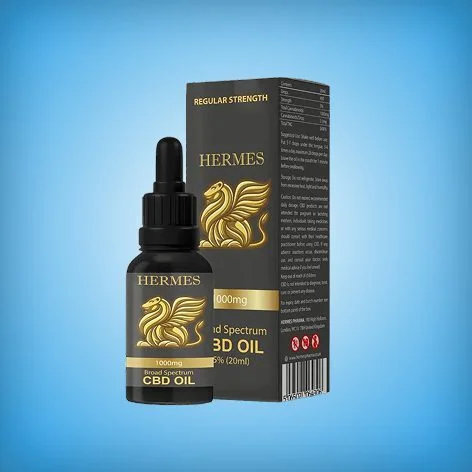
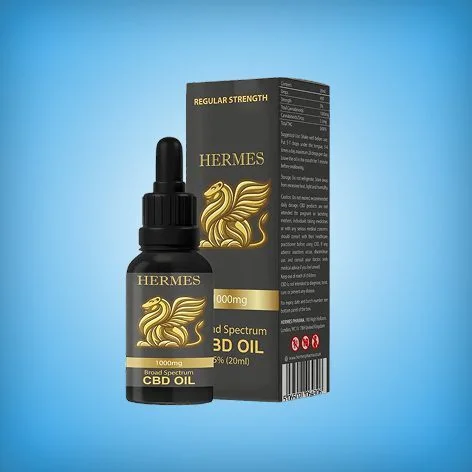
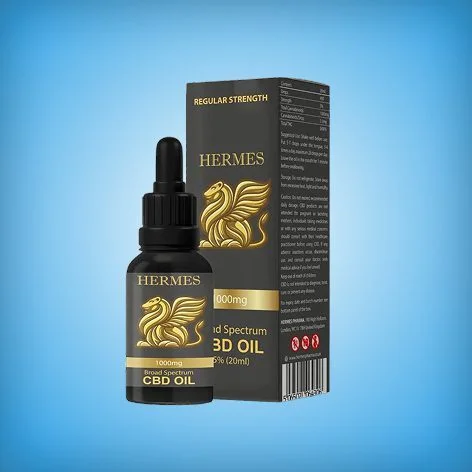
Hermes CBD – Irish Top choice CBD Brand
Hermes CBD+CBG Spray: The Ultimate Dual Cannabinoid Experience by Chill BD
Musculoskeletal Pain
Soreness after exercise, strains from physical work, and general muscular tension are common. Many people find that using CBD oil for pain helps them recover faster and feel more comfortable during movement.
Joint Pain and Arthritis
Joint discomfort can be driven by inflammation and wear on joint surfaces. CBD oil for pain may reduce local inflammation and provide symptomatic relief, which can be useful as part of a broader arthritis management plan.
Neuropathic Pain
Nerve-related pain—often described as burning, tingling or electric shock-like sensations—can be particularly challenging. CBD oil for pain may help by tuning down nerve hyperexcitability and improving nerve repair signalling.
Post-Surgical and Acute Pain
While acute pain often requires immediate medical attention and sometimes stronger medications, some patients use CBD oil for pain as a supplementary approach to help manage discomfort and support recovery when appropriate.
Chronic Widespread Pain
Conditions characterized by long-term, diffuse pain often benefit from a multimodal approach. CBD oil for pain can be one component in a strategy that includes exercise, physiotherapy, sleep hygiene, and other supportive therapies.
Forms of CBD for Pain: Oils, Topicals, and Combinations
Choosing the right format matters when using CBD oil for pain. Different delivery methods affect how quickly and where the CBD acts.
CBD Oils and Tinctures
CBD oil for pain taken sublingually (under the tongue) offers systemic effects. This method is useful when pain is not localized to one spot or when whole-body balance is desired. The oil is absorbed into the bloodstream and can influence central pain pathways, mood, and sleep.
Topical CBD (Balms, Creams, Gels)
Topical formulations allow CBD oil for pain to be applied directly to an affected area. This provides targeted relief and is often preferred for joint-specific or muscle-specific discomfort. Topicals can include additional soothing ingredients such as menthol or arnica to enhance immediate sensations of relief.
CBD Capsules and Softgels
Capsules are a discreet and convenient way to take CBD oil for pain. They offer steady, prolonged effects by releasing CBD through the digestive system. Capsules are ideal for people who want simple dosing without taste considerations.
Combination Approaches
For many people, the most effective plan uses both topical and systemic CBD oil for pain. For example, a topical application to an inflamed knee combined with a daily capsule for overall inflammation and sleep support can offer complementary benefits.
Evidence and Research on CBD Oil for Pain
Scientific interest in CBD oil for pain has expanded, and evidence is accumulating. Clinical studies and laboratory research indicate that CBD influences inflammatory pathways, pain perception, and nerve activity. While more large-scale clinical trials are needed for specific conditions, there is a growing body of support for CBD oil for pain as part of an integrative approach to pain management.
Clinical Observations and Real-World Use
Many patients and practitioners report that CBD oil for pain provides meaningful relief where traditional options are limited or unsuitable. Observational reports and smaller studies show reductions in pain scores, improved sleep, and better daily functioning for some users.
Limitations in the Evidence Base
It’s important to be candid about what we know: results vary, and CBD oil for pain is not a guaranteed solution for everyone. Variations in product quality, dosage, and individual biology mean that some trial-and-error is often required. Nonetheless, the trend toward safer, plant-based options continues to drive interest and investigation.
Also visit:-
The Ultimate Guide to CBD Turmeric Pills: Benefits, Dosage, and Side Effects
CBD Market Overview – Unlocking Growth Amid Challenges
Hermes CBD – Irish Top choice CBD Brand
Hermes CBD+CBG Spray: The Ultimate Dual Cannabinoid Experience by Chill BD
Choosing Lab-Tested CBD Oil for Pain: What Matters
Product quality is the single most important factor when considering CBD oil for pain. Lab-tested products ensure that you receive what’s on the label and reduce the risk of contaminants.
Certificate of Analysis (CoA)
Always look for a certificate of analysis from an independent laboratory. A CoA shows the cannabinoid profile, confirming CBD potency and verifying that THC levels are compliant. It also screens for contaminants such as heavy metals, pesticides, and residual solvents.
Cannabinoid Profile
When selecting CBD oil for pain, consider whether you want broad-spectrum or full-spectrum products. Broad-spectrum contains multiple beneficial plant compounds but no THC, while full-spectrum contains trace THC and may provide additional synergistic effects known as the entourage effect. ChillBD provides clear lab data so you can choose intentionally.
Purity and Extraction Methods
CO₂ extraction is widely regarded as a clean, reliable method for producing CBD oil for pain. It preserves beneficial compounds and minimizes the risk of solvent residues that can occur with inferior extraction techniques.
Ingredient Transparency
Quality CBD oil for pain should list all ingredients. Carrier oils (like MCT oil), natural flavors, and any added botanicals should be clearly stated. Avoid products that hide their ingredient list or use unnecessary fillers.
Manufacturing Standards
Products manufactured in GMP-certified facilities or equivalent standards reflect commitment to safety and consistency. ChillBD’s production standards prioritize traceability and stringent quality control.
Dosage and Practical Use
Finding the right dose of CBD oil for pain is personal. Start with a conservative approach and increase gradually while tracking effects.
Starting Low and Going Slow
Begin with a low dose of CBD oil for pain—often a small measured amount under the tongue once or twice daily. Give your body several days to a week to respond before increasing. Titrate slowly until you notice meaningful changes in pain, sleep, or mobility.
Timing and Frequency
For persistent pain, consistent daily dosing is often more effective than sporadic use. For flare-ups, a higher acute dose or targeted topical application may help. Align dosing with activities (for example, taking oil before exercise or applying topical after activity) to maximize comfort and function.
Monitoring Effects
Track pain intensity, mobility, sleep quality, and mood as you adjust dosage. Keep a simple diary noting dose, product used, time of day, and symptom changes to identify effective regimens.
Also visit:-
The Ultimate Guide to CBD Turmeric Pills: Benefits, Dosage, and Side Effects
CBD Market Overview – Unlocking Growth Amid Challenges
Hermes CBD – Irish Top choice CBD Brand
Hermes CBD+CBG Spray: The Ultimate Dual Cannabinoid Experience by Chill BD
Interactions and Precautions
Although topical CBD oil for pain has minimal systemic absorption, oral and sublingual use reaches the bloodstream and can interact with certain medications. Consult a healthcare provider before combining CBD oil for pain with prescription drugs, particularly those metabolized by the liver enzyme CYP450.
Safety Profile and Side Effects
CBD oil for pain is generally well tolerated. Common, mild side effects may include subtle digestive changes, temporary drowsiness, or dry mouth. Side effects are often dose-related and resolve when doses are adjusted.
Allergic Reactions and Sensitivities
Patch-test topical products if you have sensitive skin or known allergies to botanical ingredients. For oral products, watch for unusual reactions and discontinue use if serious symptoms occur.
Long-Term Use Considerations
Data on long-term use is growing. Many people use CBD oil for pain safely over months or longer. Choosing lab-tested products and adhering to recommended dosing reduces risk and supports predictable outcomes.
Integrating CBD Oil for Pain with Other Strategies
CBD oil for pain is most effective when used alongside evidence-based strategies that support overall function and resilience.
Movement and Rehabilitation
Physical therapy, targeted exercise, and graded activity help rebuild strength and flexibility. CBD oil for pain can reduce barriers to movement by easing discomfort during rehabilitation.
Sleep Hygiene and Restorative Practices
Quality sleep amplifies the benefits of pain-management efforts. CBD oil for pain may improve sleep, and combining sleep-supportive routines with CBD can accelerate recovery.
Also visit:-
The Ultimate Guide to CBD Turmeric Pills: Benefits, Dosage, and Side Effects
CBD Market Overview – Unlocking Growth Amid Challenges
Hermes CBD – Irish Top choice CBD Brand
Hermes CBD+CBG Spray: The Ultimate Dual Cannabinoid Experience by Chill BD
Nutrition and Inflammation
A diet focused on anti-inflammatory foods, hydration, and balanced nutrients supports tissue health. CBD oil for pain fits into a broader nutritional strategy aimed at reducing chronic inflammation.
Stress Management and Mental Health
Pain and mood are linked. Mindfulness, stress-reduction techniques, and supportive therapies complement the effects of CBD oil for pain and enhance overall well-being.
Choosing the Right ChillBD Product for Your Pain Needs
ChillBD offers carefully formulated products designed for safety and performance.
For Localized Joint or Muscle Pain
Topical balms infused with concentrated CBD and soothing botanicals are ideal. Apply to the affected area, massage gently, and allow time for absorption. For intense flare-ups, a brief warm-up before application can improve penetration and comfort.
For Systemic Pain or Widespread Issues
Sublingual oils or measured capsules provide broad systemic effects. Daily dosing helps regulate inflammation and supports sleep and mood—key components of chronic pain care.
For Active Lifestyles and Recovery
A combination of topical CBD oil for pain post-activity and a low-dose oral product for daily recovery can enhance performance and reduce recovery time.
Realistic Expectations: What CBD Oil for Pain Can and Cannot Do
Be realistic about outcomes. CBD oil for pain can reduce pain intensity, improve function, and enhance sleep, but it is not a cure for underlying structural conditions in some cases. It is best viewed as a valuable tool within a comprehensive pain-management program rather than a standalone miracle solution.
How to Evaluate Results and Decide Next Steps
After a trial period, assess whether CBD oil for pain meets your goals. Consider improvements in pain severity, mobility, sleep, mood, and medication use. If benefits are modest, consult a healthcare provider to reassess dosing, product choice, or complementary therapies. If benefits are clear, continue with routine monitoring and maintain open communication with your care team.
Addressing Common Concerns: Safety, Legality, and Quality
Safety
When using ChillBD products, safety starts with third-party lab testing. Consistent quality significantly reduces the risk of exposure to contaminants, unlabelled THC, or inaccurate potency claims.
Legality
ChillBD’s products are formulated and tested to comply with applicable regulations in Ireland and the EU. The absence or compliant trace levels of THC ensures legal and non-intoxicating use.
Quality
Quality includes sourcing, extraction, testing, and manufacturing. ChillBD prioritizes clean hemp sources, CO₂ extraction, and transparent CoAs so customers can verify potency and purity.
Practical Buying Guide: What to Look for When Purchasing CBD Oil for Pain
- Third-Party Lab Testing: Verify a current CoA showing cannabinoid content and contaminant screenings.
- Clear Labeling: Check CBD concentration per bottle and per serving.
- Reputable Extraction: Prefer CO₂-extracted products for purity.
- Product Formulation: Look for full- or broad-spectrum options based on preference.
- Transparent Manufacturing: Choose brands that disclose manufacturing standards and suppliers.
- Return and Support Policies: Reliable customer support ensures you can get assistance with dosing or product questions.
Case Examples: How People Use CBD Oil for Pain
A weekend runner uses a topical CBD balm after long runs to soothe tight calves and reduce soreness, enabling better training consistency. A person with chronic low back discomfort pairs nightly sublingual CBD oil for pain with a rehabilitation program and notices improved sleep and reduced reliance on occasional analgesics. An office worker with repetitive shoulder strain incorporates a targeted topical and a low-dose daily capsule to maintain productivity and comfort.
Practical Tips for First-Time Users
Start with a small trial size to test tolerance, begin at a low dose, and keep a straightforward diary of effects. Use topical products on intact skin and avoid open wounds. If you take medications, check with a clinician to rule out significant interactions.
Frequently Asked Implementation Questions
- How soon will I feel effects? Responses vary; some feel changes within an hour while others need consistent use for several days.
- Can I use CBD oil for pain with other treatments? Yes, when coordinated with professional advice.
- Is there a best time to use it? For systemic relief, evening dosing can support sleep and overnight recovery; for activity-related pain, use topical products after exercise.
Also visit:-
The Ultimate Guide to CBD Turmeric Pills: Benefits, Dosage, and Side Effects
CBD Market Overview – Unlocking Growth Amid Challenges
Hermes CBD – Irish Top choice CBD Brand
Hermes CBD+CBG Spray: The Ultimate Dual Cannabinoid Experience by Chill BD
The Future of CBD Oil for Pain
As research progresses, our understanding of CBD oil for pain will deepen. Innovations in delivery, precision dosing, and combined formulations will enhance personalization, and expanding clinical trials will refine guidance for specific conditions. ChillBD remains committed to evidence-led formulations and transparent practices to ensure customers have access to reliable CBD oil for pain.
Final Thoughts
CBD oil for pain offers a promising, low-risk option for many people seeking natural support. Its potential to modulate inflammation, calm nerve activity, and improve sleep makes it useful as part of a wider pain-management strategy. Choosing lab-tested products, starting with conservative dosing, and integrating CBD into a holistic plan of movement, sleep, nutrition, and stress management gives the best chance of meaningful, sustained benefit. At ChillBD, we aim to provide quality products, clear lab data, and practical guidance so you can make confident, effective decisions about using CBD oil for pain relief. If you’re considering trying CBD, start with a trusted ChillBD product and evaluate results over several weeks while working with your healthcare team as needed.
Contact us:-
Email Address
chillbd@gmail.com
Call Us
+1 123 456 7890
Address
Dublin, Ireland
Site
References:-
1. U.S. Food & Drug Administration (FDA) – Understanding Third-Party Lab Testing & CBD Product Quality
Covers CBD product accuracy, contamination risks, labeling issues, and the importance of verified lab results.
2. United States Pharmacopeia (USP) – Standards for Cannabis & CBD Product Testing
https://www.usp.org/news/cannabis-quality-standards
Provides scientific quality benchmarks, product purity validation, and testing guidelines relevant for consumers choosing lab-tested CBD.
3. National Institutes of Health (NIH) – Study on CBD Product Mislabeling & Lab Testing
https://www.ncbi.nlm.nih.gov/pmc/articles/PMC5818782
A peer-reviewed research paper examining how many CBD products fail accurate labeling and why verified third-party lab tests are essential.
4. Consumer Reports – Guide to Choosing High-Quality CBD Products
https://www.consumerreports.org/health/how-to-shop-for-cbd
A highly trusted guide on verifying Certificates of Analysis (COAs), understanding lab results, and identifying reputable CBD brands.
FAQs — CBD Oil for Pain (ChillBD)
1. What is CBD oil for pain?
CBD oil for pain is a hemp-derived extract used to support the body’s natural pain-regulating systems. It may help reduce inflammation, ease discomfort, and promote better mobility.
2. How does CBD oil help with pain relief?
CBD interacts with the endocannabinoid system, inflammatory pathways, and pain-signalling receptors, which can reduce discomfort and improve overall balance.
3. Can CBD oil reduce chronic pain?
Many people use CBD oil to manage chronic pain because it may lower long-term inflammation, support nerve regulation, and improve sleep, all of which influence chronic pain levels.
4. Does CBD oil work for neuropathic or nerve pain?
CBD may help calm overactive nerves and reduce neurological hypersensitivity, making it a possible option for people experiencing nerve-related pain.
5. Is CBD oil effective for joint and arthritis pain?
CBD oil can help reduce joint inflammation and stiffness. Many people with arthritis report improved comfort and mobility when using CBD regularly.
6. How long does CBD oil take to work for pain?
Sublingual oils typically start working within 30–60 minutes, while steady benefits develop gradually over consistent daily use.
7. How much CBD oil should I take for pain?
Start low and increase slowly. Begin with a small dose once or twice daily, then adjust based on how your body responds.
8. Can I use CBD oil for back pain?
Yes, many individuals use CBD oil to ease lower-back, upper-back, and muscular pain because it supports reduced inflammation and muscle relaxation.
9. Is CBD oil good for muscle soreness?
CBD may help soothe post-exercise soreness or muscle strain by reducing inflammatory responses in the affected tissue.
10. Should I use CBD oil or topical CBD for pain?
Use oil for systemic pain or widespread discomfort, and use topical CBD for direct pain in a specific joint or muscle.
11. Can I combine CBD oil and CBD topicals for pain relief?
Yes, combining both can offer enhanced relief: the oil works internally while the topical targets specific areas.
12. Is CBD oil safe to use for pain every day?
Many people use CBD oil daily without issues. Long-term studies show a good safety profile when using high-quality, lab-tested products.
13. Can CBD oil reduce inflammation?
CBD may help regulate inflammatory mediators, making it useful for pain conditions where inflammation is a major factor.
14. Will CBD oil make me feel high?
No. CBD does not cause intoxication because it contains minimal or no THC. ChillBD ensures THC-compliant formulations.
15. Can CBD oil help with pain from injuries?
CBD may support healing and reduce discomfort from strains, sprains, and soft-tissue injuries when used appropriately.
16. Does CBD help with migraines or headache pain?
Some individuals report fewer headaches and reduced intensity, partly due to CBD’s calming and anti-inflammatory properties.
17. Can seniors use CBD oil for pain?
Yes, CBD oil is commonly used by older adults because it is gentle, non-intoxicating, and may reduce reliance on stronger medications.
18. Is CBD oil good for menstrual pain?
CBD may help with abdominal discomfort, inflammation, and muscle tension associated with menstrual cycles.
19. Can CBD oil replace painkillers?
CBD can complement or reduce reliance on pain medications, but it should not replace prescribed drugs without medical guidance.
20. Will CBD oil interfere with other medications?
CBD can affect certain medications metabolized by the liver. Always check with a healthcare provider.
21. Is CBD oil addictive?
No. CBD is not addictive and does not produce dependence or withdrawal symptoms.
22. What strength of CBD oil is best for pain?
Medium to high-strength oils are often preferred for pain, but your ideal dose depends on your body’s response.
23. Is CBD oil suitable for inflammatory conditions like tendonitis?
Yes, CBD’s anti-inflammatory properties may ease discomfort from tendon-related irritation.
24. Can I use CBD oil before exercise?
Some people take it pre-workout to reduce stiffness and support smoother movement.
25. Can CBD oil help after exercise recovery?
Yes. CBD may reduce post-exercise inflammation, helping muscles recover more comfortably.
26. Is CBD oil safe for daily use?
Yes, especially when using high-quality, lab-tested CBD. ChillBD products undergo rigorous purity testing.
27. Can I use CBD oil for acute pain?
It may help with acute pain depending on severity, but it tends to work best for ongoing or inflammatory pain.
28. Does CBD oil help with sleep related to pain?
CBD may support deeper, longer sleep, which plays a major role in pain recovery and daily comfort.
29. Is full-spectrum CBD better for pain?
Full-spectrum products may offer stronger effects due to the entourage effect, but THC-free broad-spectrum is also highly effective.
30. Will CBD oil show up on drug tests?
THC-free products minimize the risk, but full-spectrum oils may contain trace THC. Choose accordingly.
31. Can CBD help with sciatica pain?
CBD may calm nerve irritation and reduce inflammation contributing to sciatic discomfort.
32. How do I take CBD oil for pain?
Place the oil under your tongue, hold for 30–60 seconds, then swallow for better absorption.
33. What time of day should I take CBD oil for pain?
Morning dosing supports daytime activities, while evening dosing can help with nighttime discomfort.
34. Can CBD oil help with pain-related anxiety?
CBD may support relaxation and mood balance, indirectly improving how pain is perceived.
35. How long should I use CBD oil for pain before evaluating results?
Most people evaluate progress after 2–4 weeks of consistent use.
36. Can CBD oil replace anti-inflammatory medication?
CBD may reduce the need for some anti-inflammatories but should not replace prescribed medicine without approval.
37. Is CBD oil safe for people with sensitive stomachs?
Yes, but starting with smaller doses can help minimize digestive discomfort.
38. What ingredients should I avoid in CBD oils for pain?
Avoid artificial additives, undisclosed fillers, or products without lab verification.
39. Why choose ChillBD CBD oil for pain?
ChillBD prioritizes purity, lab testing, accurate dosing, and high-quality formulations designed with pain relief in mind.
40. Can CBD oil help with fibromyalgia pain?
Many users report improved comfort because CBD may influence widespread pain and sleep-sensitive conditions.
41. Is CBD oil good for sports injuries?
CBD may help with recovery, inflammation, and general soreness associated with athletic injuries.
42. Can I drive after taking CBD oil for pain?
Yes, CBD alone does not impair motor skills. Avoid driving if you feel drowsy.
43. How long do the effects of CBD oil last for pain?
Effects typically last 4–8 hours depending on dosage and body chemistry.
44. Does CBD lower inflammation naturally?
CBD interacts with inflammation-regulating pathways, helping the body achieve a calmer state.
45. Can I take CBD oil for pain if I am pregnant?
CBD use during pregnancy should only be considered after medical consultation.
46. How should I store CBD oil?
Keep it in a cool, dark place away from sunlight to maintain potency.
47. Can CBD oil help with joint stiffness in the morning?
Many people find CBD reduces stiffness and improves morning mobility.
48. Will CBD oil help with nerve tingling sensations?
CBD may calm nerve signals and reduce sensory discomfort.
49. Are topical CBD creams enough for deep joint pain?
Deep joint pain may benefit from combining topicals with oral CBD oil.
50. Can CBD oil be used after surgery?
Consult your healthcare provider, but many people use CBD during recovery to reduce discomfort.
51. Is CBD oil good for tension headaches?
CBD’s relaxation effects may ease muscle tension in the neck and head.
52. Can CBD help with pain caused by poor posture?
CBD may ease muscle tension and inflammation caused by long hours of sitting.
53. Does CBD oil lose effectiveness over time?
No, but your body may require dose adjustments depending on lifestyle and symptoms.
54. Can CBD oil help with pain flare-ups?
Yes. Some individuals increase their dose temporarily during pain spikes.
55. Does CBD oil work better with food?
Taking CBD oil with healthy fats may improve absorption but is optional.
56. Are there side effects from CBD oil?
Mild effects may include dry mouth, drowsiness, or digestive changes, usually dose-dependent.
57. Can CBD oil help with pain from inflammation-related conditions?
Yes. CBD is well known for its role in moderating inflammation.
58. Can I use CBD oil while taking vitamins or supplements?
Interactions are rare, but it’s best to confirm with a healthcare provider.
59. How do I know if my CBD oil is working?
Track pain levels, mobility, sleep quality, and daily functioning over a few weeks.
60. Does CBD help with swelling?
Yes. CBD supports reduced inflammatory swelling in soft tissues and joints.
61. Can CBD oil calm muscle spasms?
CBD may help relax tension in tight or spasming muscles.
62. Can CBD help with pain caused by stress?
CBD may support the mind-body connection by easing stress-induced pain patterns.
63. Is CBD oil safe for long-term pain management?
CBD is considered safe for ongoing use when sourced from trusted, lab-tested brands.
64. Can CBD oil help with sleep issues caused by pain?
CBD’s calming effects may improve sleep, which helps the body repair and recover from pain.
65. Is CBD oil legal for pain relief in Ireland?
Yes, as long as it meets regulatory requirements regarding THC and sourcing.
66. Can CBD oil be used before physical therapy sessions?
Yes. It may reduce discomfort and improve mobility during therapy.
67. Can I give CBD oil for pain to pets?
Only pet-specific CBD formulations should be used. Consult a veterinarian first.
68. What makes ChillBD CBD products different?
ChillBD emphasizes clean extraction, rigorous testing, transparent potency, and products designed specifically for wellness and pain support.
69. How fast do CBD topicals work for pain?
Topicals may offer relief in 5–20 minutes, depending on the severity of pain and depth of the affected tissue.
70. Should I continue using CBD if my pain improves?
Many people continue at a lower maintenance dose to support long-term comfort and prevent flare-ups.
Contact us:-
Email Address
chillbd@gmail.com
Call Us
+1 123 456 7890
Address
Dublin, Ireland
Site