



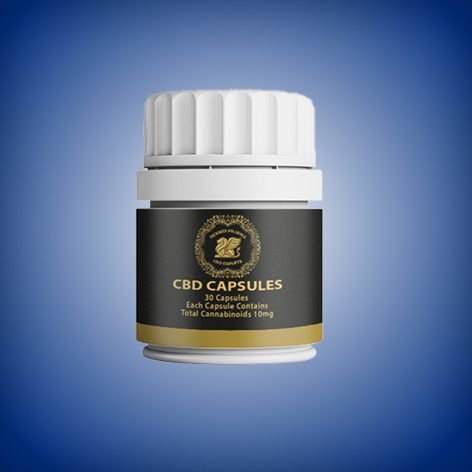
If you're new to CBD capsules, start with a low dose and take once daily; capsules provide pre-measured amounts making them easy to use consistently.
CBD does not get you high or cause significant impairment, though you may feel mellow or experience a sense of calm and comfort.
Though often well-tolerated, CBD can cause side effects such as dry mouth, diarrhea, reduced appetite, drowsiness and fatigue, and may interact with medications like blood thinners.
In clinical studies for high-dose CBD drugs, elevated liver enzymes were noted at higher doses, which can be a sign of liver stress or damage.
Signs that CBD is working may include improved sleep patterns, reduced tension in stressful situations, better focus and concentration, reduced muscle tension, better energy levels, and an overall sense of wellbeing.
Standard drug screening panels are not designed to detect CBD—drug tests look for THC or its metabolites, so legally-compliant CBD (containing less than 0.2% THC) is unlikely to be detected.
Standard drug tests analyse samples for THC, the psychoactive compound in cannabis, and do not screen for CBD itself, meaning pure CBD products won't result in a positive test.



